

Why the Atlas Vertebra is So Important to Your Health
As a chiropractor, one of the most critical areas I check on every patient visit is the atlas vertebra, also known as C1. This small but mighty bone at the very top of the spine plays a crucial role in overall health and wellbeing. Today, I want to dive into why the atlas is so important and how misalignments in this area, known as subluxations, can lead to a host of issues. I’ll also explain the benefits of getting your atlas checked regularly and maintaining your chiropractic wellness visits.
What is the Atlas Vertebra?
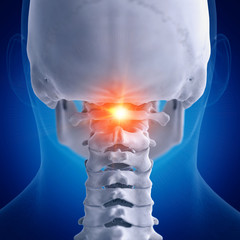
The atlas is the first cervical vertebra, sitting right at the base of the skull. It is named after the Greek god Atlas, who was condemned to hold up the world on his shoulders for eternity. This is a fitting analogy, as the atlas bears the weight of the head, which is about 8-12 pounds on average.
The atlas is uniquely shaped compared to the other vertebrae. It is ring-like with two cup-shaped depressions where it connects to the occipital condyles of the skull. The atlas also has facet joints that connect to the second vertebra called the axis. This distinct anatomy allows for a wide range of head movement.
Most importantly, the atlas surrounds and protects the brainstem and spinal cord as they transition from the skull to the spine. Nearly all sensory and motor information traveling between the brain and body passes through the atlas. This is why proper atlas alignment is absolutely essential for optimal nervous system function and overall health.
The Problem with Atlas Subluxations
When the atlas is properly aligned, it provides a strong, stable foundation for the head and spine. But problems occur when the atlas shifts out of its normal position, even slightly. This misalignment is called an atlas subluxation.
Atlas subluxations can happen for many reasons – physical trauma like car accidents or falls, poor posture, repetitive motions, and even emotional stress. When the atlas is misaligned, it can irritate or put pressure on the brainstem and spinal nerves. This disrupts the normal flow of nerve signals between the brain and body.
Over time, atlas subluxations can lead to dysfunction in every system of the body controlled by those nerves. Some common symptoms and conditions associated with atlas misalignment include:
- Headaches and migraines
- Neck pain and stiffness
- Jaw pain (TMJ dysfunction)
- Dizziness and vertigo
- Fatigue and brain fog
- Low back pain and sciatica
- Poor immune function
- High blood pressure
- Digestive issues
- Asthma and allergies
Notice how broad and varied these symptoms are. That’s because the nervous system and proper nerve flow affects every part of the body. Misalignment at the critical juncture of the atlas can have far-reaching consequences for health.
This is why getting your atlas checked by a chiropractor regularly is so important. Atlas subluxations won’t necessarily cause symptoms right away, but the longer a misalignment persists, the more stress it puts on the nervous system. Identifying and correcting atlas subluxations early is key to preventing health problems down the road.
The Benefits of Atlas Alignment
We’ve explored the negatives of atlas subluxation, but what about the positive effects of getting adjusted regularly and maintaining proper alignment? When the atlas is in its proper position, it has remarkable benefits for the spine and nervous system:
-
It keeps the head balanced directly above the spine. The cervical spine doesn’t have to compensate for a tilted or rotated head position. This reduces stress and degeneration on the neck joints and muscles.
-
It allows for complete range of motion in the neck. A well-aligned atlas enables the neck to move in all six directions – flexion, extension, right and left rotation, and right and left lateral flexion. Misalignment restricts normal range of motion.
-
It promotes cerebrospinal fluid flow. The pumping action of the bones and surrounding muscles helps circulate cerebrospinal fluid, which nourishes and removes waste from the brain and spinal cord. Atlas misalignment impedes this circulation.
-
It optimizes communication between the brain and body. With the atlas in alignment, nerve signals can flow unimpeded, like water through a straight pipe. Every cell, tissue and organ receives the nerve energy it needs to function properly.
Simply put, a properly aligned atlas is essential for spinal stability, mobility, and nervous system integrity. That’s why chiropractors check it on every visit, even if you aren’t experiencing symptoms in that area. Keeping the atlas well-adjusted is one of the best ways to maintain spinal health and whole body wellness.
Maintaining Your Chiropractic Wellness Visits
I hope this article has highlighted the importance of getting your atlas checked regularly and inspired you to keep up with your chiropractic wellness visits. Just like you maintain your car with regular oil changes, your spine and nervous system need consistent checkups and adjustments to function at their best.
Wellness visits enable chiropractors to identify and correct small atlas misalignments before they lead to symptoms or health problems. Adjustments are very precise and controlled, restoring normal alignment and movement to the atlas with minimal force. Many patients report feeling relief, relaxation, and a sense of ease after atlas adjustments.
Chiropractic is a holistic approach to health that recognizes the power of a well-aligned spine and properly functioning nervous system. At the core of that is the atlas vertebra – the key to spinal stability and neurological integrity. Commit to getting your atlas checked on every visit and experience the incredible benefits of this unique area. Your health and wellbeing are worth it!